3D Star - Sky: A Creative Tool for Space-Themed Designs
For creators, educators, and hobbyists looking to add a touch of cosmic wonder to their projects, 3D Star - Sky offers a versatile solution. This collection of space-themed cutout images includes stars, planets, and pop-up elements that can be used in various ways. Whether you're crafting invitations, educational materials, or decorative displays, the flexibility of 3D Star - Sky makes it a valuable resource.
Understanding What 3D Star - Sky Offers
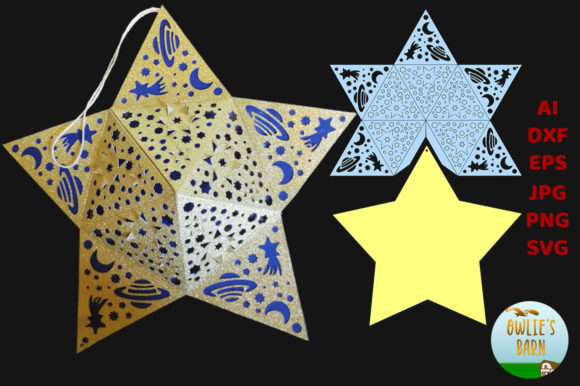
3D Star - Sky is more than just a set of images—it's a comprehensive design toolkit. The downloadable ZIP folder contains multiple formats such as AI, DXF, EPS, JPG, PNG, and SVG. Each format includes three distinct designs, allowing users to choose the best fit for their needs. These designs come with layers that cater to different stages of production, making the process of cutting and folding more efficient.
The first design features dashed lines in a separate layer, ideal for perforations that make folding easier. The second design uses straight lines for scoring, which helps in creating clean folds without damaging the material. The third option is a plain design without any lines, offering maximum creative freedom. These layers are designed to be attached before sending the file to a cutter, streamlining the workflow.
Common Mistakes When Using 3D Star - Sky
Despite its usefulness, some users may overlook key details that can impact the final result. One common mistake is not checking the compatibility of the file formats with their design software. For instance, if you're using a program that doesn't support AI or EPS files, you might need to convert the files, which could lead to quality loss or formatting issues.
Another oversight is failing to review the instructions included in the ZIP folder. While the designs are well-structured, understanding how to use the layers correctly can prevent confusion during the cutting or folding process. Some users might also skip testing the designs on a small scale before committing to a larger project, which can lead to wasted time and materials.
How Mistakes Affect Results
Ignoring these details can lead to several problems. For example, if you don't use the perforation layer correctly, the folded sections might not align properly, resulting in an uneven or unprofessional appearance. Similarly, improper scoring can cause the material to crack or tear, especially when working with delicate paper or cardstock.
Additionally, not verifying the file compatibility can result in delays or the need to rework designs from scratch. This can be particularly frustrating if you're working on a tight deadline or have limited resources. The cost of mistakes can add up quickly, whether through wasted materials, extra labor, or the need to purchase new tools or software.
Practical Advice for Better Outcomes
To avoid these pitfalls, start by familiarizing yourself with the contents of the ZIP folder. Take the time to read the instructions carefully and understand the purpose of each layer in the designs. If you're unsure about the file formats, test them in your preferred software before proceeding with a full project.
It's also wise to experiment with a small section of the design before applying it to a larger piece. This allows you to see how the perforations, scoring, and folding work in practice. For example, if you're creating a pop-up card, test the fold lines on a scrap piece of paper to ensure they produce the desired effect.
What to Check Before Using 3D Star - Sky
Before diving into your project, consider the following checklist:
- File Compatibility: Ensure your design software supports the formats provided (AI, DXF, EPS, etc.).
- Material Type: Choose the right material based on the design—thicker paper or cardstock may require different scoring techniques.
- Layer Usage: Understand how to apply the perforation and scoring layers to avoid errors during cutting and folding.
- Testing: Always test the design on a small scale to identify any issues before starting the full project.
- Instructions: Review the included instructions to maximize the efficiency of your workflow.
Realistic Examples and Better Approaches
Imagine you're creating a space-themed birthday invitation. By using the perforation layer, you can easily fold the card into a 3D star shape without damaging the design. Alternatively, if you're designing a classroom display, the plain design layer gives you the freedom to add custom text or illustrations while maintaining a cohesive look.
Another scenario involves a marketing campaign where pop-up stars are used as promotional items. By using the back-to-back star design, you can create a striking 3D effect that catches attention. However, this requires careful alignment and proper adhesion to ensure the stars remain intact during handling.
Conclusion: Making the Most of 3D Star - Sky
3D Star - Sky is a powerful tool for anyone looking to bring a space theme to life. By understanding its features, avoiding common mistakes, and following practical advice, you can achieve high-quality results that meet your creative goals. Whether you're a beginner or an experienced designer, taking the time to explore the options and test the designs will lead to better outcomes and greater satisfaction.